

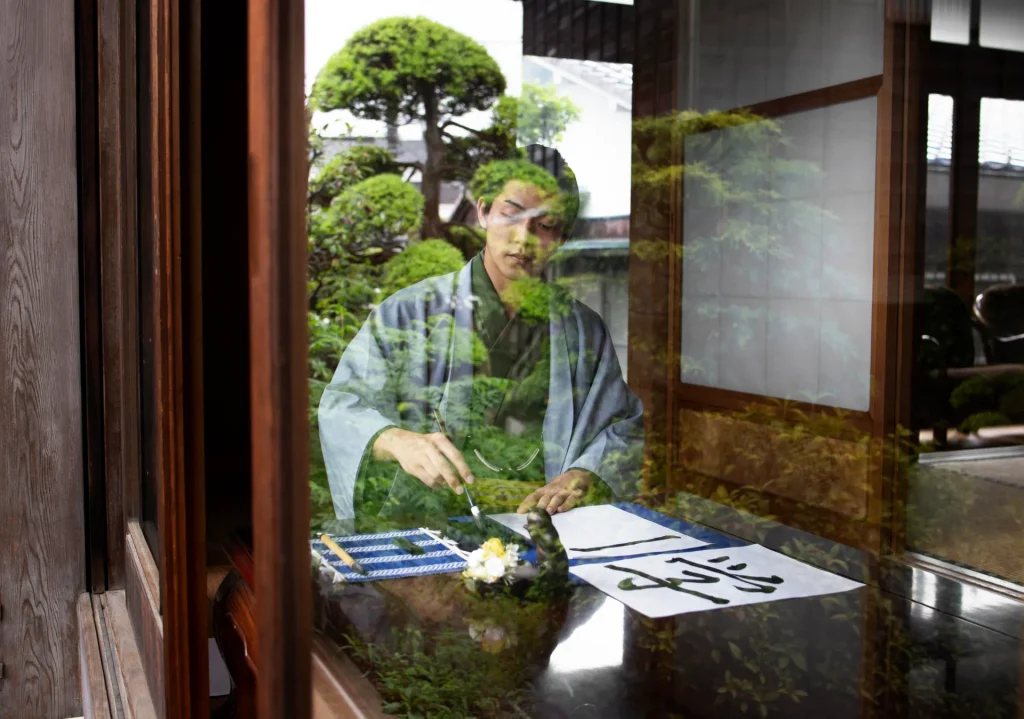
How Bonsai Keepers Communicate With Their Trees
It might sound unusual to talk about communication between a person and a tree. But spend time with experienced bonsai growers and you will hear the language of conversation used repeatedly. They talk about listening to a tree, reading what it is telling them, and responding to what they observe. This is not mysticism. It is a very precise and practical way of describing something real.
The Tree Is Always Sending Signals
A bonsai communicates entirely through its physical state. The colour of its foliage, the firmness of its leaves, the direction and vigour of its new growth, the condition of its bark, the moisture level of its soil. Every one of these is information. A tree that is thriving looks different from a tree under stress, and a tree under stress from overwatering looks different from one stressed by drought or wrong light.
Learning to read these signals accurately takes time, but it is at the heart of what skilled bonsai growers do. They have learned what their specific trees look like when healthy, which means they notice immediately when something has shifted.
Daily Observation as Dialogue
Many experienced growers describe a habit of spending a few quiet minutes with each tree every day, not necessarily doing anything, just looking. This daily observation builds an intimate knowledge of each tree’s patterns and rhythms. You come to know how a particular juniper holds its pads in good health, how a maple flushes in spring, and what the early signs of stress look like in each individual tree before they become obvious problems.
This is the practical form of what growers mean when they talk about communicating with their trees. The conversation is real, it is just conducted through observation and response rather than words.
Responding Thoughtfully Rather Than Reacting
The other side of communication is the response. When a tree signals distress, the instinct is often to intervene immediately and decisively. But experienced growers have learned to pause, assess the full picture, and respond thoughtfully rather than reacting to a single symptom. Just as in any relationship, acting on incomplete information often makes things worse.
This measured, observational approach is one of the things that distinguishes experienced growers from beginners. Not because they know more facts, though they do, but because they have learned to be led by the tree rather than by their own assumptions about what the tree should need.
The Grower Shapes, the Tree Decides
There is a saying in bonsai that captures this beautifully: the grower proposes, the tree disposes. You can wire a branch into position, but the tree determines how that branch develops. You can prune to encourage ramification, but the tree decides which buds break and which do not. Good bonsai practice involves working with this reality rather than against it, shaping and guiding rather than controlling.
In Closing
The growers who develop the deepest relationships with their trees are those who approach them with curiosity and humility. They bring knowledge and skill, but they also bring the willingness to be surprised, corrected, and taught by the tree itself. That is the real communication at the heart of bonsai.