

Bonsai for Children and Families: Growing More Than Just Trees
Bonsai is not an activity most people associate with children, but it can be one of the most rewarding things a family can share. It teaches patience and responsibility in a way that is tangible and immediate. It connects children to the natural world. And it produces something beautiful that grows and changes over time, which holds a child’s interest in a way that many activities simply do not.
Why Bonsai Works Well for Children
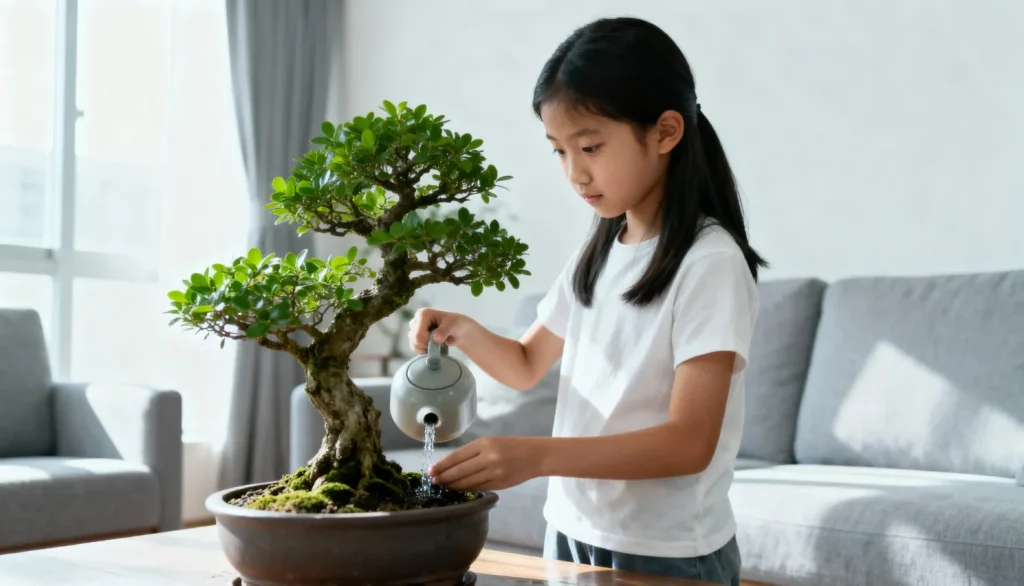
Children respond to things that are alive. A bonsai tree changes, grows, and responds to care in ways they can see and participate in. Watering the tree, checking the soil, watching a new bud appear and unfurl into a leaf: these are small moments but they are genuinely exciting to a child who is invested in the tree.
The responsibility of caring for something living is also different from most other childhood activities. The tree needs attention whether or not the child is in the mood. It does not work when forgotten. This is precisely the kind of gentle, real-world accountability that many children benefit from enormously.
Good Starter Species for Children
Choose a species that is forgiving of inconsistent care, visually interesting, and robust enough to survive the inevitable occasional mistakes. The following are good choices.
- Chinese Elm – Tough, attractive, and grows vigorously enough that children can see progress without waiting years. Tolerates periods of underwatering better than many species.
- Ficus – Very forgiving of variable care and genuinely suited to indoor environments. Good for children who do not have outdoor space.
- Cotoneaster – Produces flowers and berries, which children find engaging. Hardy and easy to maintain.
- Willow – Roots easily from cuttings, grows quickly, and is very forgiving. Excellent if a child wants to grow something from scratch.
Making It Theirs
The most important factor in a child’s engagement with bonsai is ownership. Let them choose the tree, have responsibility for its care, and make decisions, guided by you, about its development. A tree that feels genuinely theirs is one they will care about and return to.
Keep a simple care journal together, recording when the tree was watered, what new growth appeared, and any changes you notice. Looking back through it after a year or two is a lovely way to see how both the tree and the child have developed.
What Bonsai Teaches Beyond Horticulture
Children who grow up with bonsai often speak about what it taught them beyond the technical side of the hobby. Patience. The satisfaction of consistent effort over time. The ability to notice small things. A sense of connection to the natural world and to something that will outlast any single season or interest. These are not small things to take through life.
In Closing
You do not need to be a dedicated bonsai practitioner to introduce a child to the craft. A single healthy tree, a simple care routine, and your genuine shared interest in how it grows is enough to start something that may last a very long time indeed.