

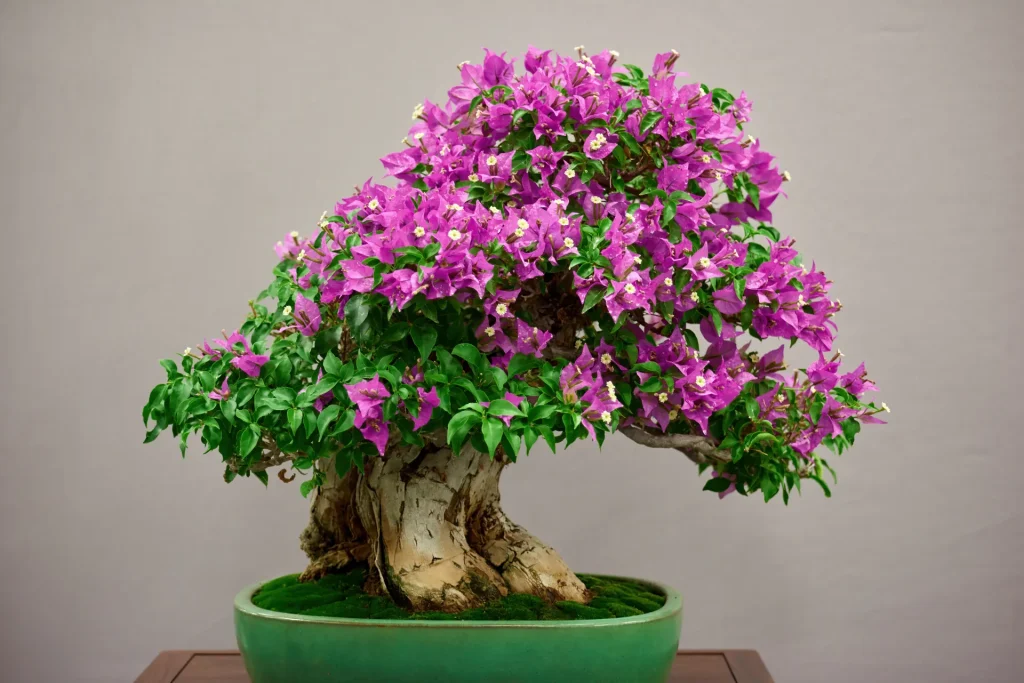
Temperature and Seasonal Care: Keeping Your Bonsai Happy All Year Round
One of the things that surprises new bonsai growers is how much the care routine changes with the seasons. Unlike a houseplant that sits in the same warm room year-round, most bonsai need to experience the natural cycle of the year. Understanding what your tree needs in each season is central to keeping it healthy over the long term.
Spring: The Most Important Season
Spring is when outdoor bonsai wake from dormancy and begin pushing new growth. It is also the busiest season in the bonsai calendar. This is the time for repotting, the start of the feeding programme, and careful monitoring as the tree responds to warming temperatures.
Watch out for late frosts. Young, tender new growth is vulnerable to frost damage even in species that are otherwise very hardy. Keep a fleece or frost cloth nearby during early spring if temperatures are likely to dip overnight.
Summer: Heat, Light, and Water
Summer brings the main period of growth and the greatest demand on your watering routine. Trees in full sun may need watering once or twice a day during hot spells. Check pots every morning and again in the evening when temperatures are very high.
Most outdoor species enjoy a position in full or partial sun, but very intense afternoon sun combined with heat can stress some trees, particularly maples. A position that receives morning sun and some afternoon shade often strikes a good balance in summer.
Autumn: Hardening Off and Winding Down
As days shorten and temperatures drop, trees begin to slow their growth and prepare for dormancy. Switch to a low-nitrogen fertiliser in late summer and continue feeding lightly into autumn to help the tree harden new growth. Deciduous trees will begin showing autumn colour and eventually drop their leaves, which is entirely normal.
Autumn is also a good time to assess the structure of deciduous trees once the leaves have fallen and the branch framework becomes visible.
Winter: Rest and Protection
Most outdoor bonsai species need a proper winter dormancy period. Do not be tempted to bring them indoors to keep them warm. They need the cold to rest, and without it they gradually weaken over successive years.
What they do need is protection from the most extreme conditions. A pot frozen solid for days at a time can damage roots, and cold, drying winds cause moisture loss through foliage even when the tree appears dormant. An unheated greenhouse, cold frame, or sheltered garage provides the protection needed without breaking dormancy.
Indoor Bonsai Through the Year
Tropical species kept indoors need consistency rather than seasonal variation. Avoid cold draughts, keep them away from radiators, and maintain humidity around the tree, particularly in winter when central heating dries the air significantly.
Finally
Working with the seasons rather than against them is at the heart of good bonsai practice. A tree that experiences the natural rhythm of the year will almost always be stronger, more resilient, and more beautiful than one kept in artificially stable conditions throughout.