
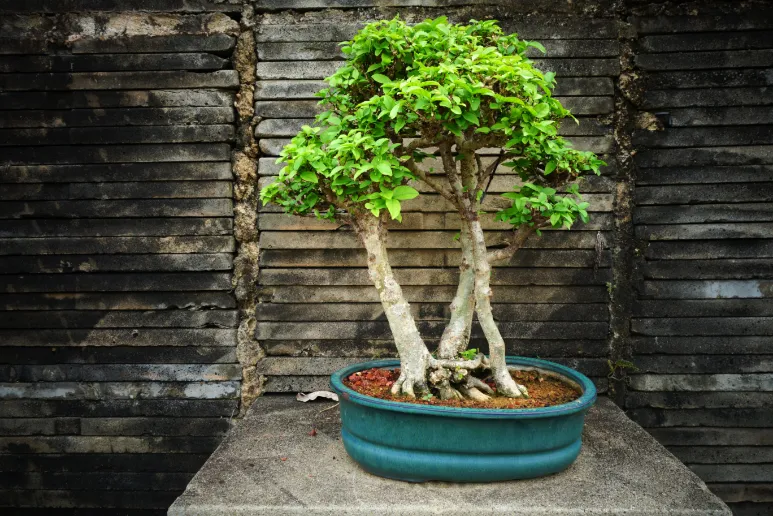
Root Rot in Bonsai: Understanding, Treating, and Preventing It
Root rot is responsible for more bonsai deaths than almost any other single cause. It is particularly dangerous because it develops silently, underground, and the symptoms above ground often appear only when the damage is already advanced. Understanding how it works, how to recognise it, and how to respond effectively can save a tree that might otherwise be lost.
What Root Rot Actually Is
Root rot is caused by water mould pathogens, most commonly from the Phytophthora and Pythium families. These organisms thrive in waterlogged, poorly aerated soil where oxygen levels are low and moisture is consistently high. They infect and destroy root tissue, beginning with the fine feeder roots that the tree relies on for water and nutrient uptake, and progressing toward the larger structural roots if conditions remain favourable.
The disease spreads through the soil and root system, and because the damaged roots can no longer function, the tree begins to struggle even though the soil remains wet. This creates the cruel irony of root rot: the tree appears to need water while actually suffering because of too much of it.
Recognising the Symptoms
- Wilting, drooping, or generally limp foliage despite consistently moist soil
- Yellowing leaves that do not respond to changes in watering or feeding
- Premature leaf drop or failure of new growth to develop normally
- An unpleasant, slightly sour or musty smell from the soil
- Bark at the base of the trunk that appears dark, sunken, or water-soaked
If you observe any of these signs, remove the tree from its pot and inspect the roots directly. Healthy roots are pale tan to white and firm. Roots affected by rot are brown or black, soft, and may smell unpleasant. The extent of the damage is the most important factor in determining the likelihood of recovery.
Treatment
Act as quickly as possible once root rot is confirmed. The steps below give the tree the best chance of recovery.
- Remove all visibly rotted roots using clean, sharp scissors. Cut back to healthy pale tissue even if this means removing a significant portion of the root ball.
- Rinse remaining roots gently in clean water.
- Allow the roots to air dry briefly in a sheltered spot before repotting.
- Apply a diluted fungicide drench to the remaining roots to reduce the risk of ongoing infection.
- Repot into fresh, free-draining bonsai soil. Do not reuse the old soil or pot without thorough cleaning.
- Water carefully during recovery, always checking the soil before watering, and err toward drier rather than wet conditions.
Prevention
Root rot is almost always preventable. The combination of free-draining bonsai soil, a pot with adequate drainage holes, and careful watering based on actual soil moisture rather than a fixed schedule removes the conditions the pathogens need to establish. These are the same fundamentals that underpin all good bonsai care, which is why root rot is so closely associated with basic care mistakes rather than bad luck.
In Closing
Root rot caught early is treatable. Root rot identified late is a much harder problem. The best approach is to understand the conditions that lead to it, build good watering habits from the start, and inspect roots during every repotting as a matter of routine. What you find below the soil line is often the clearest indicator of how well a tree is actually being cared for.

