
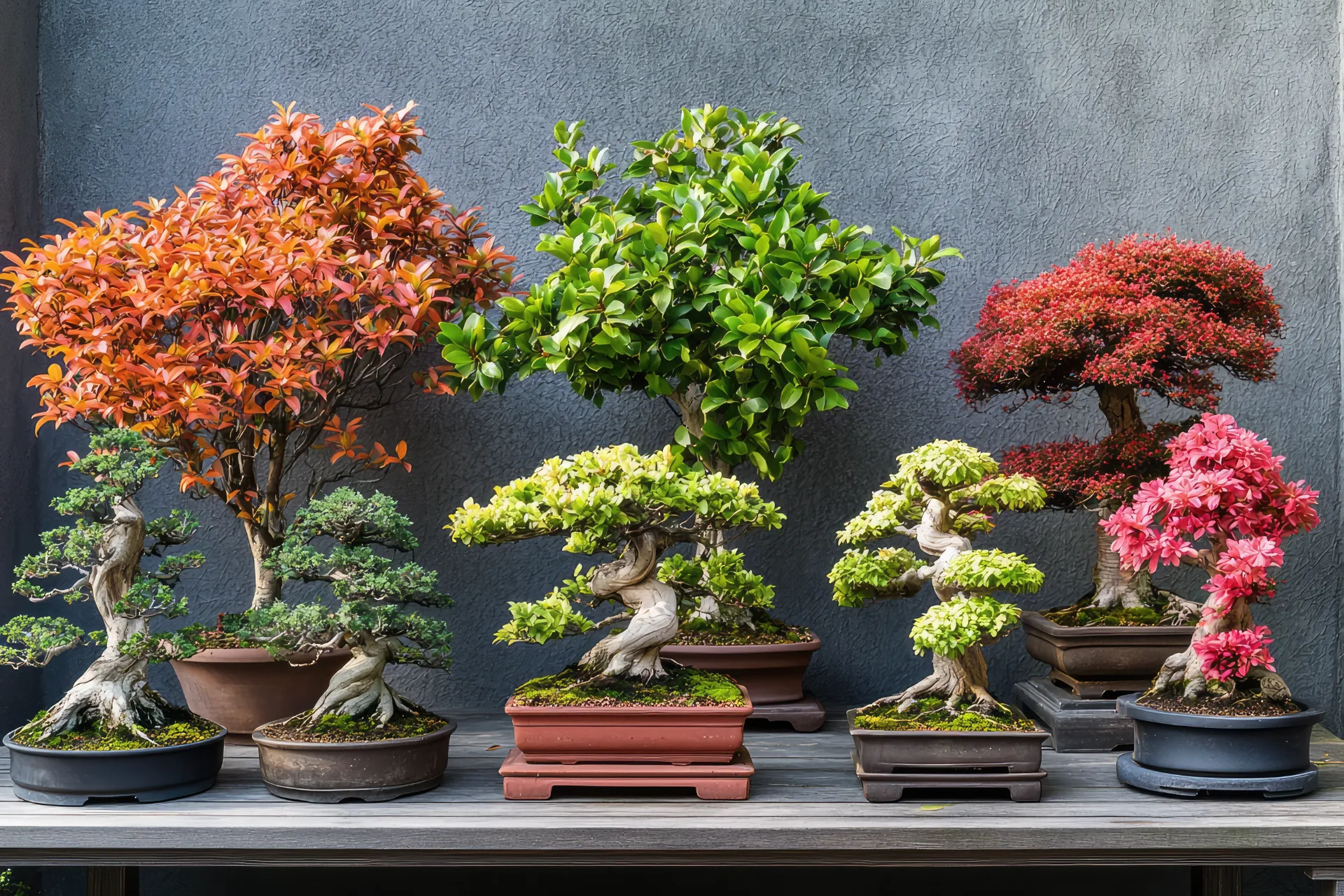
Buying Your First Bonsai: What to Know Before You Spend a Penny
Walking into a bonsai nursery or browsing an online shop for the first time can feel overwhelming. Prices range from a few pounds to several hundred, species names mean little to a beginner, and it is easy to bring home a tree that is simply not suited to your conditions. With a little guidance, though, buying your first bonsai is an exciting step that sets you up for years of enjoyment.
Decide Where Your Tree Will Live First
Before choosing a species, be honest about where the tree will actually be kept. This single decision shapes everything else. If you have a garden or balcony with good light, a wide range of hardy outdoor species are available to you. If you live in a flat without outdoor space, you are looking at a much narrower selection of genuinely indoor tropical species.
The most common and costly mistake in first-time bonsai buying is purchasing an outdoor species and trying to keep it in a living room. It will decline, often slowly enough that the connection to the cause is not immediately obvious.
Where to Buy
A specialist bonsai nursery is almost always the best choice for a first purchase. Staff can advise on species suitability, care requirements, and how to develop the tree going forward. Trees are properly potted in suitable soil and accurately labelled. Many specialist nurseries also offer workshops and aftercare support, which is genuinely valuable when you are starting out.
General garden centres stock bonsai of varying quality. Some are fine; others are poorly potted and labelled vaguely. If buying from a garden centre, inspect the tree carefully before purchasing. Online specialist retailers are a good option if you cannot access a nursery, but avoid buying from non-specialist sellers on auction sites.
Good Species for Beginners
- Juniper – Hardy, widely available, and forgiving. Must be kept outdoors.
- Chinese Elm – Elegant, tough, and one of the most popular beginner trees. Semi-evergreen in the UK climate.
- Cotoneaster – Often overlooked but genuinely excellent. Tough, attractive, and responds well to pruning.
- Ficus – The most reliable true indoor species. Tolerant of the lower light and central heating conditions found in most homes.
What to Look for When Inspecting a Tree
- Firm, healthy foliage with good colour and no significant spotting or yellowing
- A trunk that feels solid and is well anchored in the pot
- Granular, free-draining soil rather than dense dark compost
- No visible pests on foliage, bark, or soil
Finally
Take your time, buy from a source you trust, and choose a species that suits your actual growing conditions rather than simply the most beautiful tree on the shelf. The right first tree, chosen thoughtfully, will reward you with years of growth and genuine satisfaction.

